

Nestled in the stunning hills of Andalusia, Ronda is a gem that combines breathtaking scenery, rich history, and culinary delights. In just 36 hours, you can explore the heart of this historic city. You can savor unique Andalusian flavors. You can soak in unforgettable views that have inspired travelers and artists for centuries. Here’s your guide to making the most of a weekend escape in Ronda, Spain.
Day 1: Afternoon Arrival and Sunset Views
Check-in and Settle at a Boutique Hotel
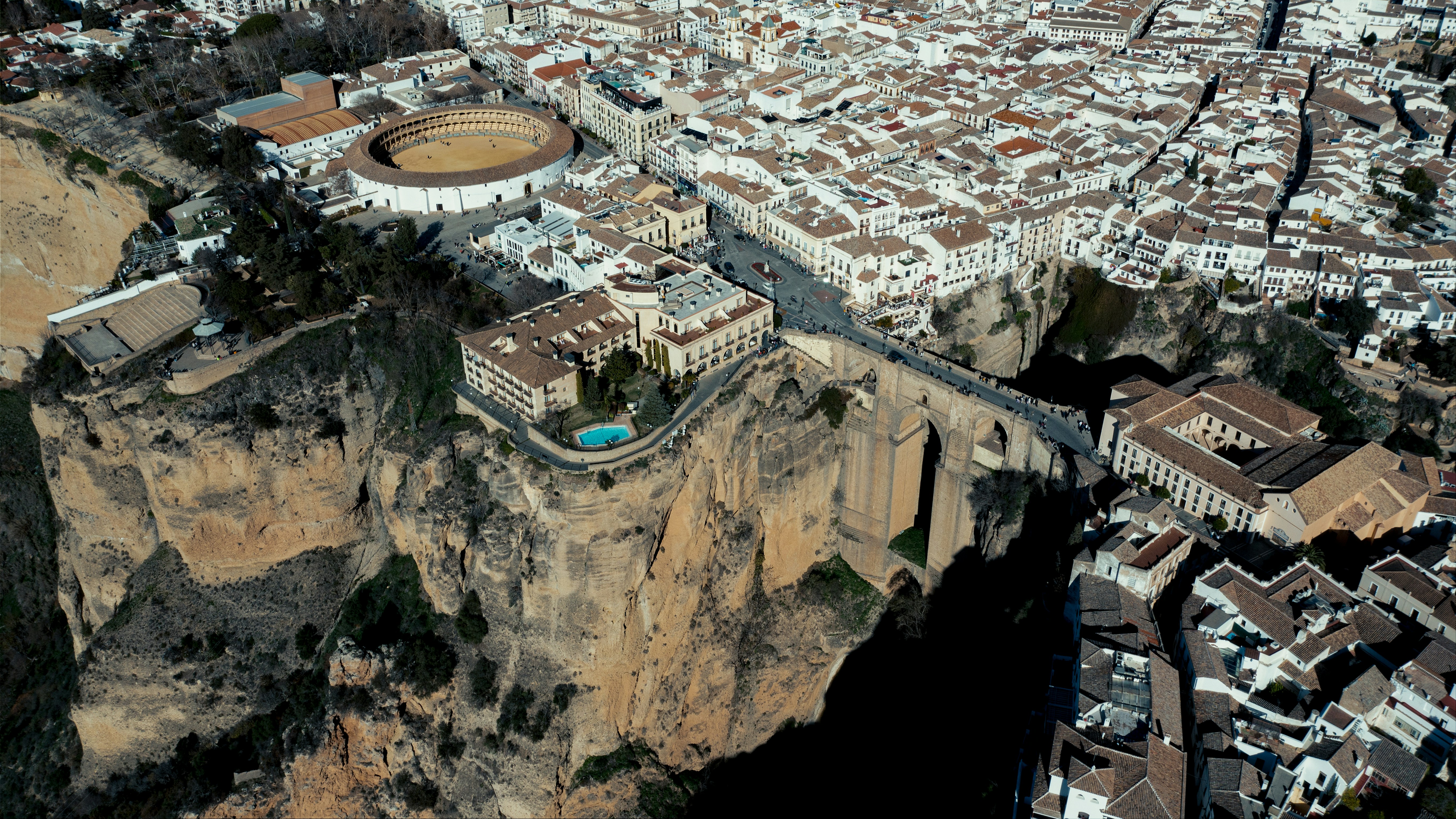
Begin your journey with a warm Andalusian welcome by checking into one of Ronda’s charming boutique hotels. For a central location, consider Hotel Catalonia Ronda or the Parador de Ronda, both offering unparalleled views over the Puente Nuevo.
Hotel La Fuente de la Higuera is an excellent choice if you prefer a tranquil retreat just outside the city center. Located approximately 7 kilometers (about a 15-minute drive) from Ronda’s center, this boutique hotel is set in a renovated olive oil mill surrounded by olive groves, offering a serene countryside experience. While the hotel does not provide a shuttle service, they can assist in arranging taxis or car rentals for your convenience.
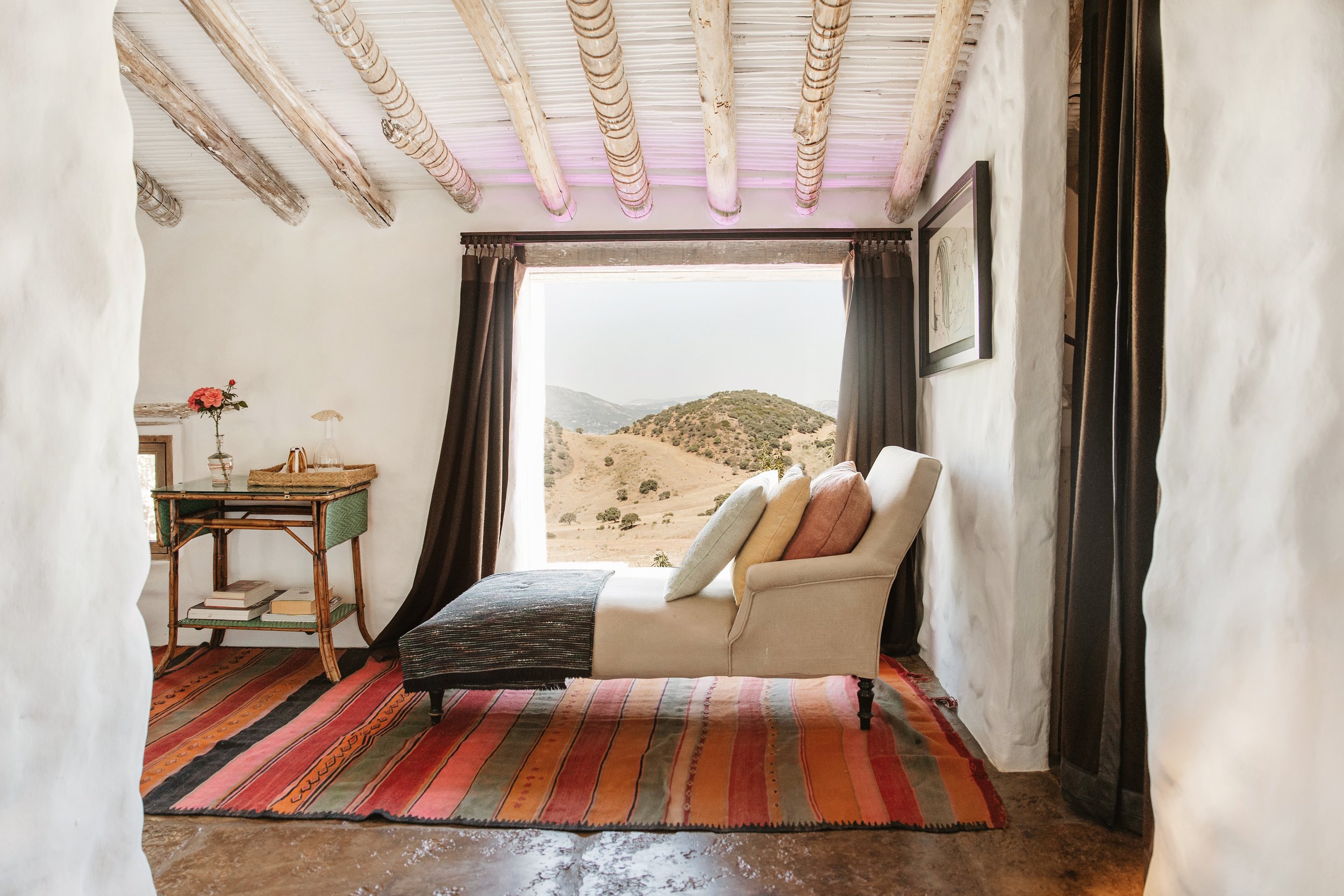
For a more immersive Andalusian countryside experience, Finca La Donaira offers an all-inclusive luxury retreat. Situated about 32 kilometers (approximately a 40-minute drive) from Ronda, this eco-retreat features individually designed rooms, an organic farm, and an equestrian center. Finca La Donaira provides personalized services, including arranging transportation to and from Ronda upon request.
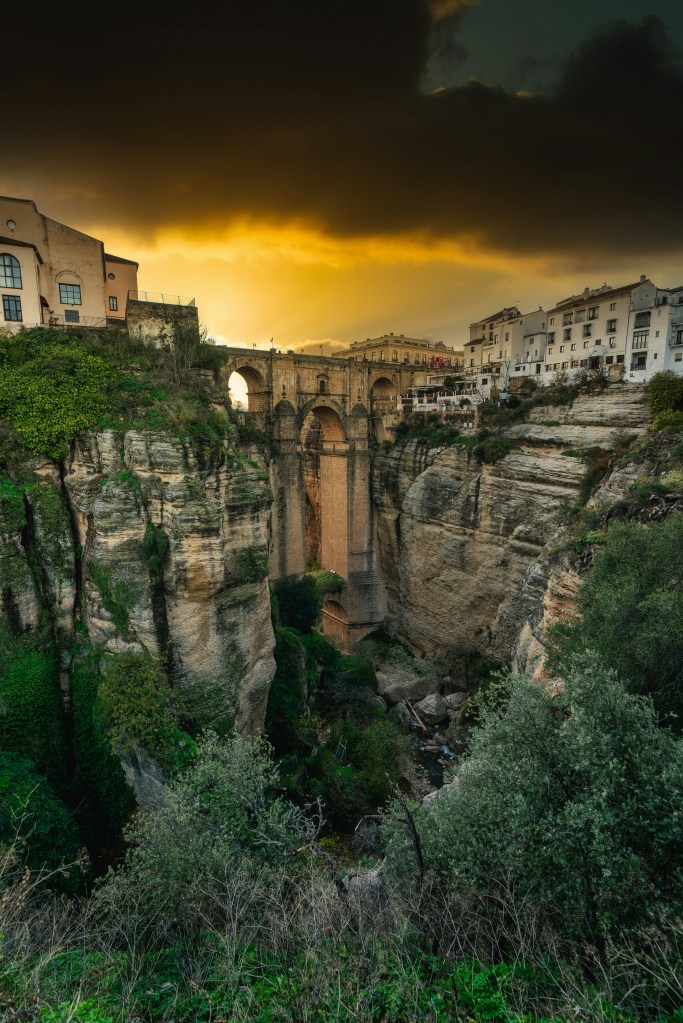
Stroll Across the Puente Nuevo
One of Ronda’s most iconic landmarks, the Puente Nuevo, or “New Bridge,” is a must-see. This architectural masterpiece spans the El Tajo gorge, connecting the old Moorish town with the newer part of Ronda. Marvel at the dramatic views over the cliffs and the green Guadalevín River below.
Enjoy Tapas with a View
After a stroll, indulge in your first taste of Andalusia with tapas at Almocabar or Casa María. Order local specialties like salmorejo (a creamy tomato soup with ham and egg) and Ronda-style oxtail stew. Pair these dishes with a glass of Ronda’s local red wine—you’re in Spain’s oldest wine region, after all.
Wine Tasting at Local Wineries
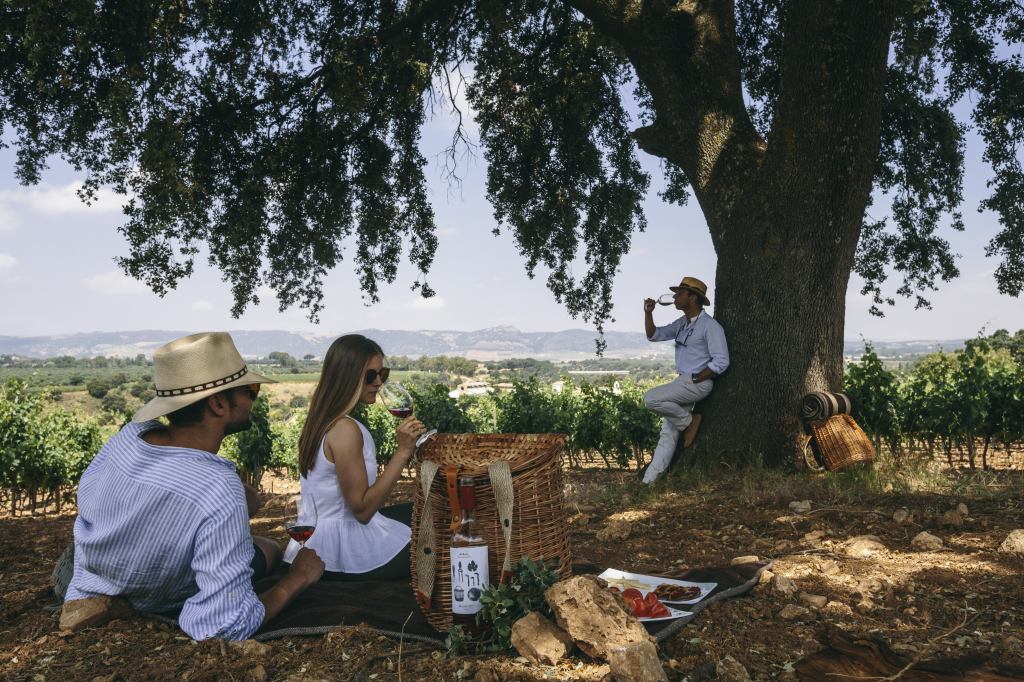
Ronda’s wine culture is thriving, offering several exceptional wineries to explore:
- Bodegas García Hidalgo: Located approximately 5 kilometers (a 10-minute drive) from Ronda’s city center, this family-run winery offers intimate tastings of local varieties like Tempranillo, Garnacha, and Merlot. The warm hospitality and scenic vineyard views make it a memorable experience. Transportation can be arranged via taxi or car rental.
- Cortijo Los Aguilares: Situated about 5 kilometers (a 10-minute drive) from Ronda, this estate spans 800 hectares, with 30 dedicated to vine-growing. It is renowned for its award-winning Pinot Noir, Petit Verdot, and Tempranillo wines. Visits are by appointment, and transportation options include taxis or car rentals.

Evening: A Memorable Michelin-Starred Dining Experience
End your day with a memorable dinner at Tragata, a Michelin-recommended restaurant led by renowned chef Benito Gómez. Known for his creative approach, Chef Gómez blends traditional Andalusian flavors with modern culinary techniques, creating an innovative menu that celebrates local, seasonal ingredients. Expect dishes like tender Iberian pork cheeks, perfectly grilled octopus, and a playful take on classics like salmorejo, all beautifully presented.
Reservation Tip: Reservations are highly recommended, especially on weekends, as Tragata is a favorite among locals and visitors. Dinner in Spain usually starts later than in many countries—most restaurants open around 8:30 PM, and locals often dine closer to 9:00 or 10:00 PM. Arriving slightly earlier will allow you to enjoy a quieter, more intimate dining experience before the evening rush.
What about a Flamenco Show?
Some locals tell me that flamenco shows throughout Andalusia (outside of Madrid—for example, Flamenco de Leones in Madrid, which gets rave reviews by local insiders) are not considered super authentic and may be on the “touristy side.” However, there is no judgment here—especially if you only have a short time and want to see Flamenco. Who wouldn’t?
Day 2: Morning Exploration and Market Bites


Breakfast with Local Pastries
Begin your day in Ronda by indulging in a traditional Andalusian breakfast at Cafetería Churrería Alba. Renowned for serving some of the best churros in Spain, this café offers freshly made churros accompanied by rich, thick hot chocolate—a delightful way to start your morning. Alternatively, try a mollete con jamón, a soft bread roll topped with flavorful Iberian ham and a drizzle of local olive oil. Pair your meal with a cup of strong Spanish coffee to energize you for the day’s adventures.
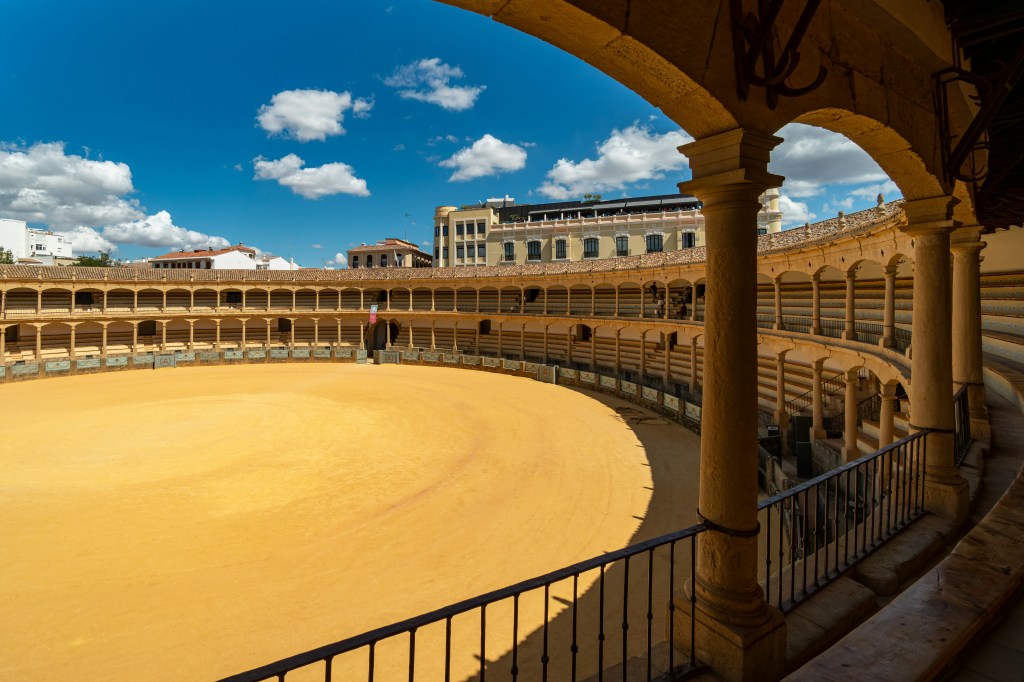
Explore the Historic Bullring of Ronda (Plaza de Toros)
The Plaza de Toros de Ronda is one of Spain’s oldest and most revered bullrings, even inspiring Ernest Hemingway. While bullfighting might not be for everyone, the building is architecturally stunning. The on-site museum also provides fascinating insights into Spain’s bullfighting heritage.
Visit the Mondragón Palace and Gardens
Step into the heart of Moorish Spain with a visit to the Mondragón Palace, once a residence of Ronda’s Muslim rulers. The palace is a historical marvel with intricate tilework, gardens, and fountains. Wander through the lush grounds that overlook the gorge and soak in the fusion of Islamic and Spanish design elements.
Mid-Morning Snack at Bodega San Francisco
For an authentic taste of Ronda’s local flavors, visit Bodega San Francisc, a traditional tapas bar in the historic San Francisco neighborhood. This charming spot is renowned for its regional delicacies, including queso de cabra (local goat cheese) and jamón Ibérico. Enjoy these specialties alongside freshly baked bread and a glass of local wine or sherry. The warm, rustic atmosphere and friendly service make it an ideal place to immerse yourself in Ronda’s culinary culture.
Afternoon: Scenic Views and Culinary Exploration
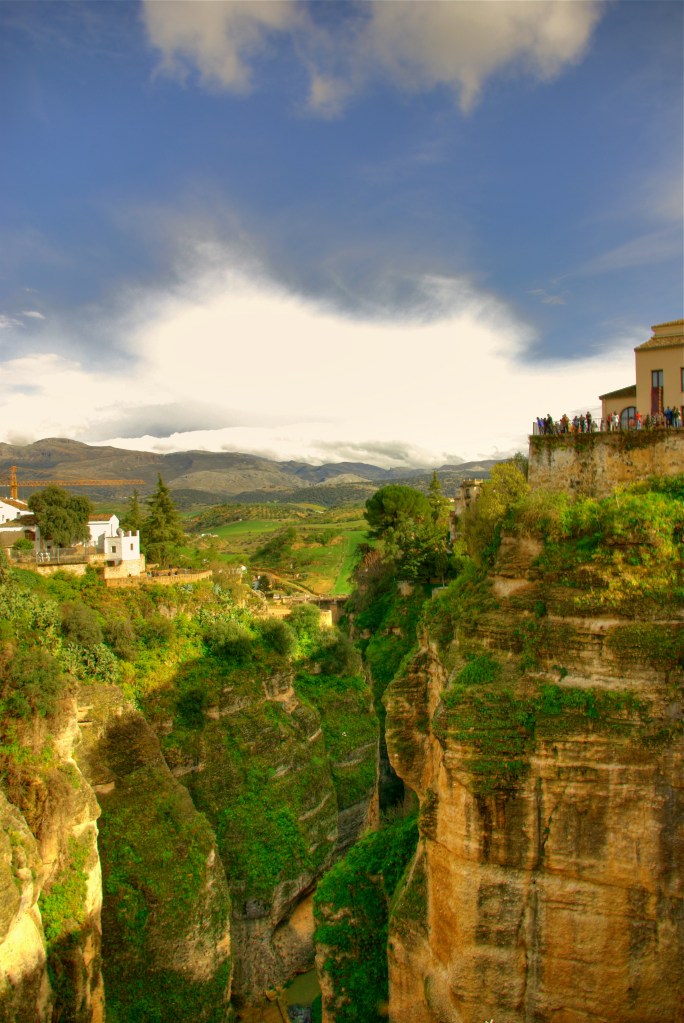
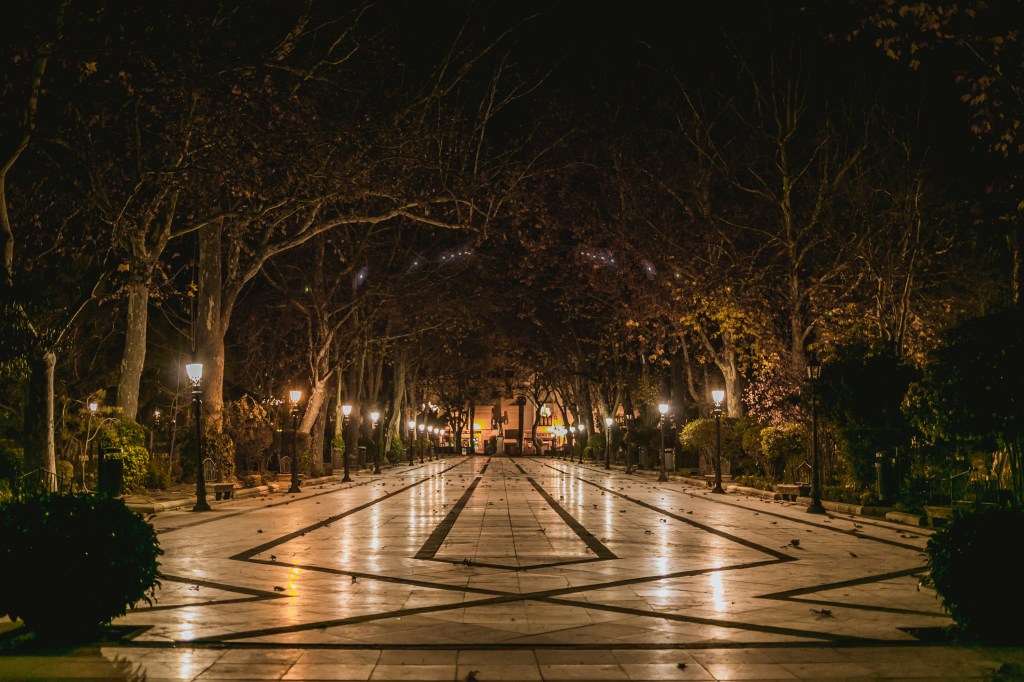
Walk through Alameda del Tajo
Take a leisurely walk through Alameda del Tajo, a beautiful park filled with native trees and panoramic lookouts over the surrounding countryside. The cliffs and pathways provide the perfect setting for a relaxing afternoon stroll.
Lunch with a View
For lunch, book a table at Restaurante Bardal, a two-Michelin-starred restaurant also headed by chef Benito Gómez (recall: dinner night before at Tragata) that elevates local ingredients with innovative techniques.
Expect dishes like ajo blanco (a chilled almond soup) with modern twists and seafood caught fresh from the Andalusian coast. Every plate here is an homage to Ronda’s flavors and is beautifully plated to highlight its vibrant colors.
Don’t forget to make a reservation here!
Museo Lara
If you have time, explore the Museo Lara, a quirky museum in the heart of Ronda’s old town. With a collection of artifacts ranging from historic weapons to vintage film cameras, this museum offers an eclectic mix of curiosities that capture Ronda’s historical and cultural depth.
Evening: Sunset Views and Farewell Dinner
Sunset at Mirador de Aldehuela
One of the best sunset spots in Ronda, the Mirador de Aldehuela offers panoramic views of the landscape that stretches as far as the eye can see. The golden hour light casts a magical glow over the white-washed buildings and olive trees.
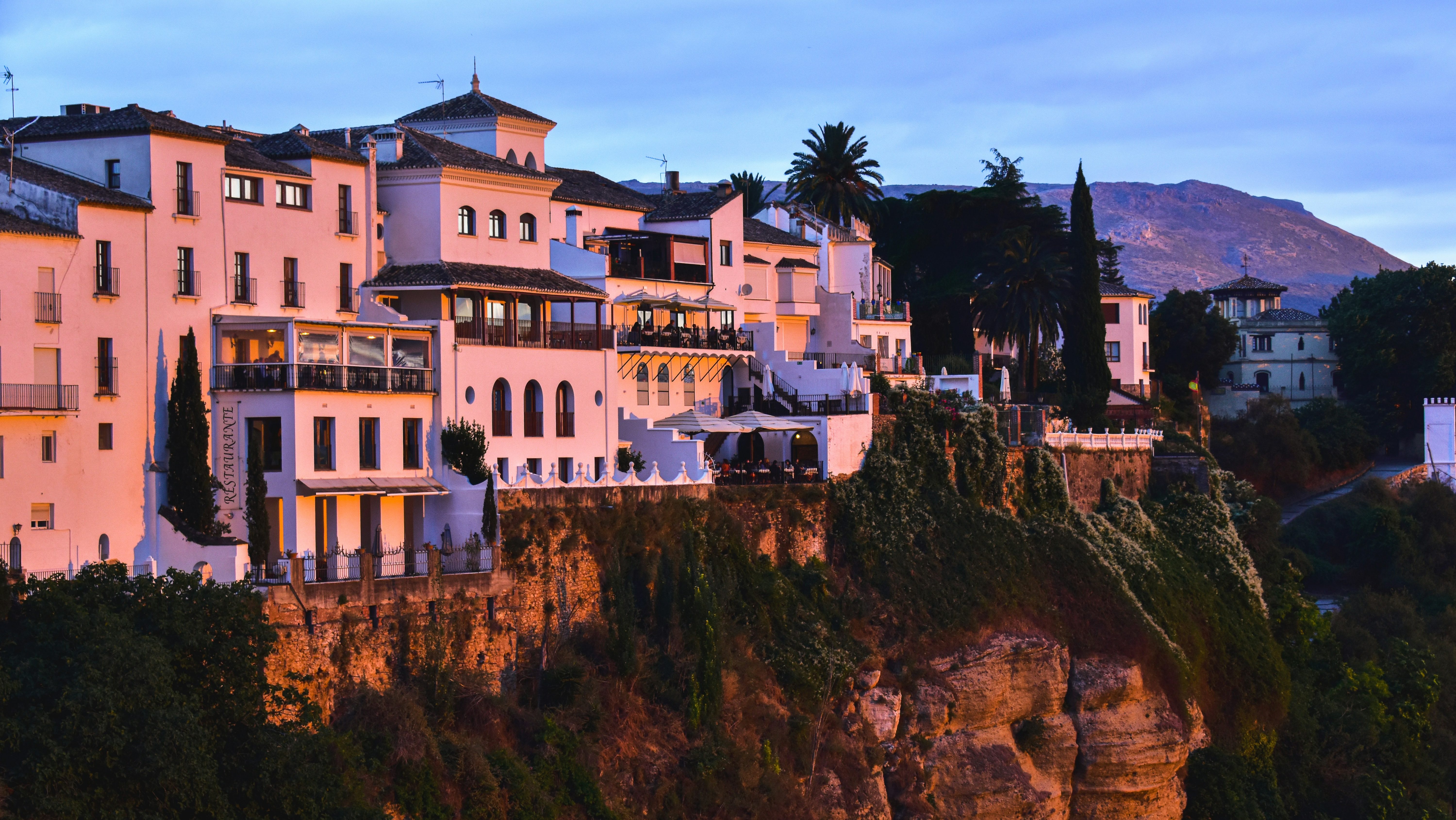
Farewell Dinner at Meson El Sacristán
Wrap up your stay with a cozy dinner at Meson El Sacristán near the Plaza Duquesa de Parcent. The restaurant serves rustic, slow-cooked meats and Andalusian specialties. Try porra antequerana, a thick gazpacho-like soup, and the local Ronda chorizo, with a final glass of Ronda wine.
Seasonality Tips for Visiting Ronda
Peak Season (April – October)
Ronda’s peak season runs from April through October, with the most visitors in the spring (April-May) and fall (September-October). These months offer mild temperatures, making it ideal for sightseeing, wine tasting, and hiking in the surrounding Sierra de las Nieves Natural Park. Summer (June-August) is also busy, especially with tourists from the Costa del Sol looking for a day trip inland. However, temperatures can soar above 35°C (95°F), so plan early morning or late afternoon activities to avoid the midday heat.
If you visit in September, you may catch the Feria de Pedro Romero, a lively festival featuring bullfighting events, flamenco shows, and traditional parades.
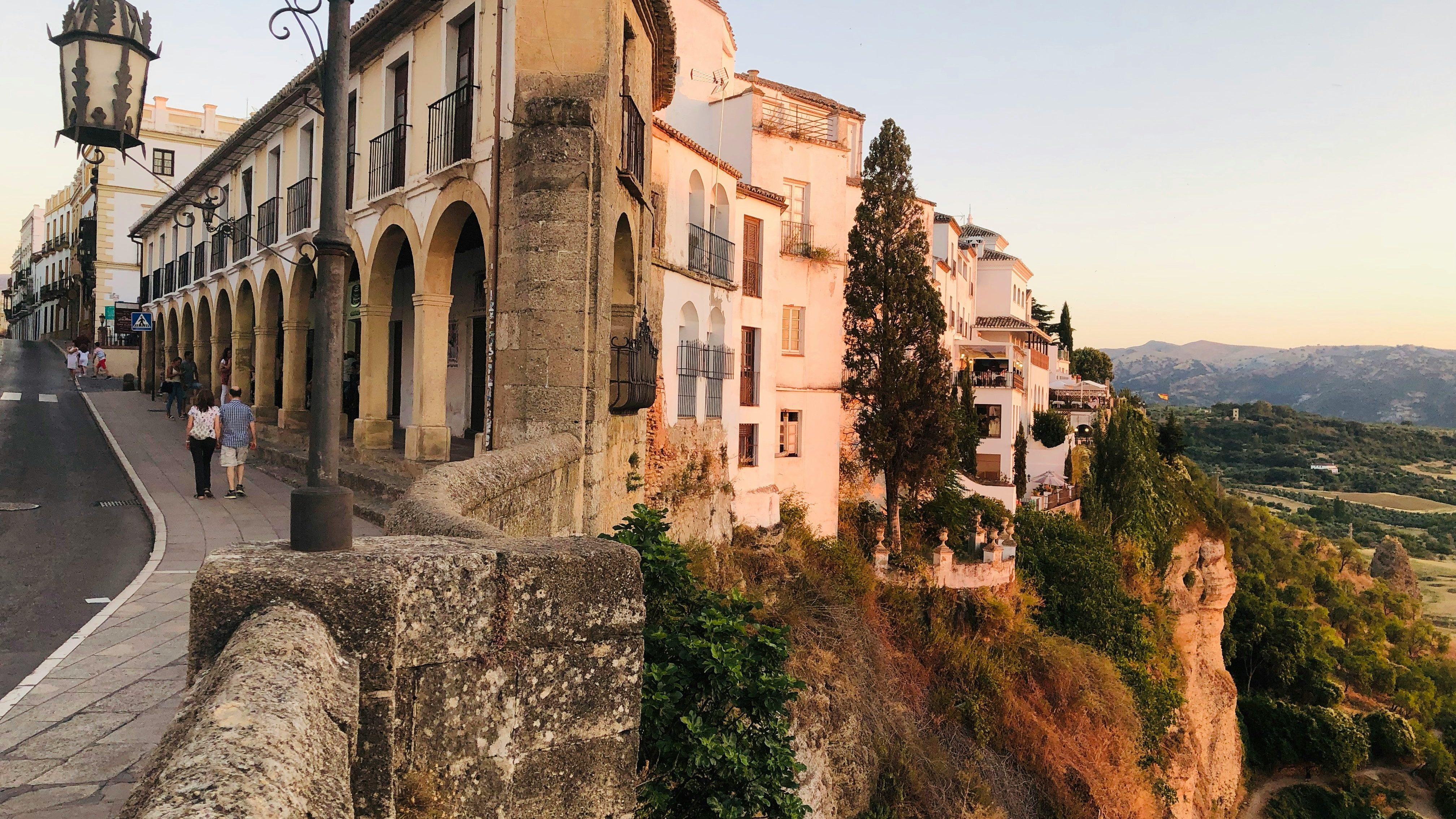
Low Season (November – March)
The winter months from November through March are considered the low season in Ronda. This is a quieter time to visit, with fewer crowds and a more relaxed pace. While the temperatures are cooler (ranging from 10-18°C / 50-64°F), it’s still a pleasant time to explore the city’s historical sites and enjoy local cuisine. However, some smaller establishments, especially those catering primarily to tourists, may close or reduce their hours during this period. It’s a good idea to check ahead if you have specific restaurants or wineries in mind.
Special Seasonal Notes
Spring (April-May) is the best time for hiking, as the countryside is lush and blooming. Autumn (September-October) is harvest season, perfect for wine lovers wanting to sample freshly produced local wines. If you’re visiting during winter, bring layers for the chilly evenings, but you’ll be rewarded with cozy tavern meals and a less hurried experience in the city’s attractions.
Etiquette Tip: Ronda is a close-knit town, and a little Spanish can go a long way in connecting with locals. Phrases like “gracias” (thank you) and “buenos días” (good morning) are always appreciated.
Thoughtful Souvenirs
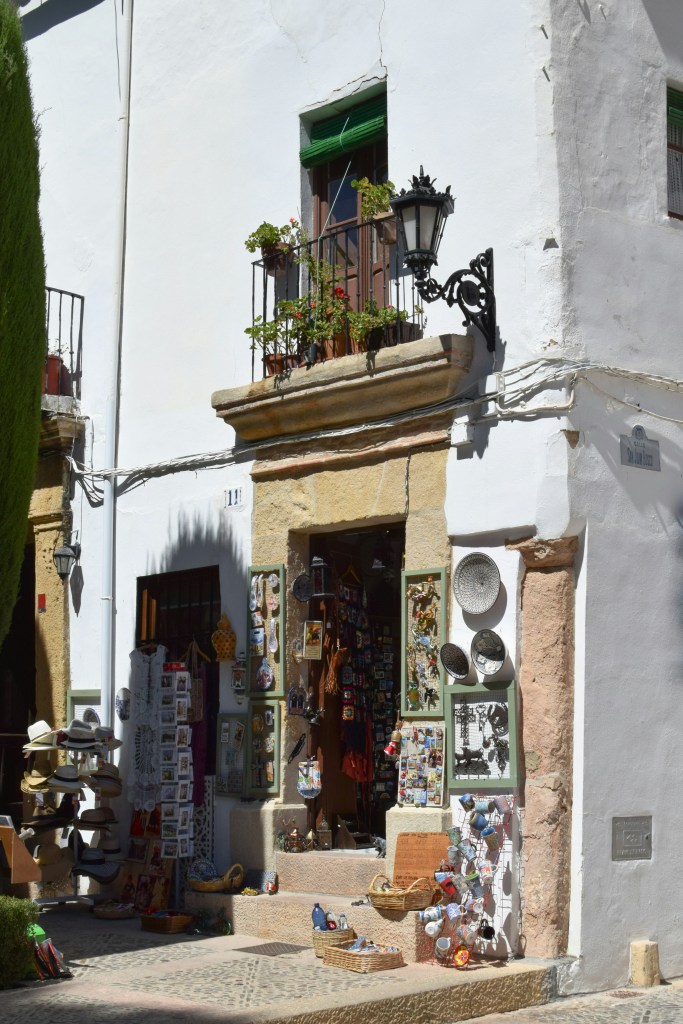
When visiting Ronda, you’ll find various unique, locally crafted items that make for excellent souvenirs. Here are some recommendations on what to bring home, where to find them, and their approximate price ranges:
Ronda Wines
Ronda is renowned for its exceptional wines, particularly reds made from grape varieties like Tempranillo, Garnacha, and Pinot Noir. Consider visiting Bodegas García Hidalgo or Cortijo Los Aguilares to purchase directly from the producers. Bottles typically range from €10 to €30, depending on the vintage and variety.
Olive Oil from the Serranía de Ronda
The region produces premium extra virgin olive oil with a distinctive, fruity flavor. Visit La Organic to sample and purchase their artisanal oils. Prices for a 500ml bottle range from €12 to €20.
Leather Goods
The city has a rich tradition of leather craftsmanship. Wallets are priced around €30, belts at €40, and bags, depending on size and design, can range from €60 to €150.
Handmade Fans (Abanicos)
Hand-painted fans are a classic Andalusian accessory. Prices range from €10 for simple designs to €50 for intricate, hand-painted pieces.
Silver and Filigree Jewelry
Ronda is known for its delicate filigree jewelry: unique earrings, necklaces, and bracelets. Prices start at €30 for earrings and can go up to €150 for more elaborate necklaces.
Visit Artesamart, a locally owned and operated craftsman mart for leather, fans, and jewelry.
Bringing home a souvenir from Ronda allows you to carry a piece of its rich culture and craftsmanship, making your memories of this enchanting city even more special.
Ronda invites you to embrace Andalusian culture, cuisine, and natural beauty in an immersive and inspiring way. With its historical treasures, scenic views, and culinary delights, Ronda is the perfect getaway for travelers seeking an authentic Spanish experience.
Only have time for a day trip to Ronda? No problem.
Getting to Ronda: Transportation Tips for Day Trips
Ronda is well-connected to several major cities in Andalusia, making it an accessible and rewarding day trip. Here are some transportation options from key destinations nearby:
From Málaga (1.5 – 2 Hours)
Málaga is one of the closest and most convenient cities to reach Ronda. Direct buses operated by Avanza Bus take about 2 hours, providing a scenic route through the Andalusian countryside. Alternatively, you can take a train to Antequera and connect to Ronda, though this option may take longer due to transfers. If you prefer flexibility, car rentals are widely available in Málaga and provide a direct 1.5-hour drive to Ronda via the A-357 and A-367 roads.
From Seville (2 – 2.5 Hours)
Seville is another popular base for a day trip to Ronda. Direct buses are available through Los Amarillos and take approximately 2.5 hours. If you want to arrive faster, driving from Seville takes about 2 hours along the A-375 and A-374 highways. Parking is available at several lots in Ronda’s town center, making it easy to explore on foot once you arrive.
From Granada (2.5 – 3 Hours)
Granada, home to the Alhambra, is also viable for reaching Ronda. Though direct bus routes are limited, you can take a bus to Málaga, connect from there, or drive directly via the A-92 and A-367 for a scenic 2.5-hour drive. The route offers beautiful mountain views and countryside vistas, so consider renting a car for flexibility and convenience.
From Marbella (1.5 Hours)
Ronda is a fantastic inland excursion for those based on the Costa del Sol. The drive from Marbella to Ronda takes about 1.5 hours via the A-397, a winding mountain road with spectacular views. While there are no direct train or bus routes, guided tours from Marbella are also available and often include transportation, making this an ideal, hassle-free option for day-trippers.
Getting Around Ronda
Ronda is best explored on foot, so once you arrive, you’ll find the town’s main attractions within a short walking distance. Remember that the road to Ronda can be winding, especially from coastal cities like Marbella, so budget extra travel time if you’re prone to motion sickness or prefer a slower pace.

Accessibility in Ronda for Travelers with Mobility Challenges
Ronda’s dramatic cliffs, cobblestone streets, and historic architecture make it a beautiful yet somewhat challenging destination for travelers with mobility issues. However, with some planning, enjoying much of what Ronda has to offer is possible. Here’s what you need to know:
Navigating the City Center
The heart of Ronda, including the old town (La Ciudad) and the newer El Mercadillo district, features many narrow, cobblestone streets. While charming, these can be difficult to navigate with a wheelchair or for those with limited mobility. However, the main areas around the Puente Nuevo and the Plaza de España are relatively flat and accessible. The Alameda del Tajo park also offers paved paths and stunning viewpoints that are wheelchair-friendly.
Accessibility at Key Attractions
- Puente Nuevo: While the bridge itself is accessible, the viewpoints along the cliff edge can be tricky due to uneven terrain and steps. The best views of the bridge are from the Plaza de España, which is accessible.
- Plaza de Toros (Ronda’s Bullring): This historic bullring is partially accessible, with ramps available at the main entrance. The museum inside may have limited accessibility due to stairs.
- Mondragón Palace: This site has steep stairs and uneven floors, making it less accessible for those with mobility challenges. It’s worth contacting the site in advance to inquire about potential accommodations.
- Museo Lara: This quirky museum is housed in an old building with multiple levels and no elevator, making it difficult for wheelchair users.
Transportation Options
Ronda’s hilly landscape can make walking difficult, so using taxis or hiring a private car with a driver is recommended for travelers with mobility issues. Many local taxi companies offer accessible vehicles upon request, but it’s best to book in advance.
Accessible Accommodation
Several hotels in Ronda offer accessible rooms and facilities. Consider staying at the Parador de Ronda, which provides ramps and elevators, as well as rooms designed for wheelchair access. Another good option is Hotel Catalonia Ronda, which offers central location and accessible amenities, including adapted bathrooms.
Dining and Shopping
Many of Ronda’s restaurants and shops have steps at the entrance, which can be a barrier. However, larger establishments and modern venues, like Tragata or Bodega San Francisco, tend to be more accommodating. Calling ahead to ask about accessibility features is a good idea.
Tips for Planning Your Visit
- Consider visiting during the low season (November-March) when the streets are less crowded, making navigation easier.
- Bring a companion if possible, as some of the city’s streets and slopes can be challenging.
- Don’t hesitate to ask for assistance; the locals are friendly and willing to help.
While Ronda’s old-world charm and dramatic topography present some challenges, careful planning can help ensure a memorable and enjoyable visit for all travelers, including those with mobility needs.


 Mountain Water Travel